Ferragamo Handbag Maintenance Fundamentals: Preserving Your Investment Piece Pristine
A Ferragamo handbag is not an impulse purchase. It’s a considered acquisition, often saved for and chosen deliberately, so this is exactly the reason post-purchase care ends up mattering enormously. Whether you’ve opted for a structured top-handle style or perhaps a slouchier shoulder bag, the skins, fittings, and build were engineered to endure for years and years if you meet them halfway. Salvatore Ferragamo’s near-century-long reputation rests on masterful workmanship, and that reputation only holds up provided owners know exactly what upkeep their bag calls for. This guide walks through the down-to-earth, unglamorous care steps that keep a Ferragamo bag looking fresher for longer rather than aged after years.
Too many people treat luxury leather goods the same way they’d treat disposable fast-fashion items: purchase, wear, neglect, discard. This kind of bag responds to a completely different approach. Modest routines — storage choices, cleaning materials, and rain-handling technique — build up across the years into a clearly more preserved result. You don’t need professional expertise for any of it. It requires consistency.
Understanding What You’re Actually Caring For
Before diving into products and routines, knowing the materials at hand makes a real difference, because Ferragamo bags aren’t uniform. The maison uses smooth calfskin, saffiano-textured leather, suede, and exotic-effect finishes, and each behaves differently under stress. A smooth calfskin tote will scuff differently than a saffiano-textured bag, and suede panels demand an entirely separate care vocabulary from polished leather. Look over the care card or authenticity documents that accompanied your bag — Ferragamo usually provides material-specific instructions at the point of sale, so hold onto that card instead of discarding it with the packaging.
Metal fittings are the second factor often ignored. A large number of Ferragamo bags feature the signature Gancini clasp or other metal closures in gold-tone, palladium, or ruthenium finishes. These finishes can tarnish with prolonged exposure to moisture, perfume, or skin oils, making it worthwhile to wipe the metal with a dry microfiber cloth each time you wear the bag, since the small habit yields big results. The interior lining, frequently a branded jacquard or canvas, also requires periodic care because spills and ink marks transfer onto it more readily than onto the outer leather.
Knowing your specific bag’s construction changes how you approach every subsequent step, spanning everything from the cleaners chosen to https://ferragamobag.com/handbags/ how humid its storage space is. It’s the difference between generic advice and care that actually protects the piece you own.
Daily and Weekly Habits That Prevent Damage
Most damage suffered by a luxury bag doesn’t happen in one big mishap — it builds up via small daily neglect. Resting it on coarse ground, tossing it into a car seat corner, or allowing sweat and lotion residue from bare skin to soak in all exact a slow cost. A simple rule: regard the base and corners as the most exposed areas, since they bear the greatest friction and contact.
- Go over the exterior with a soft, dry cloth after each use to lift off dust, oils, and surface grime before it embeds in the leather grain.
- Avoid placing the bag straight onto the ground, particularly in restaurants, airports, or public transport, where dirt and dampness lead to the greatest surface damage.
- Rotate which shoulder or hand holds the bag to spread out strap and handle wear evenly rather than concentrating stress on a single point of contact.
- Empty the bag weekly to look out for leaking pens, makeup spills, or crumbs that can discolor the interior lining if left unattended.
- Keep receipts, keys, and metal objects in a separate pouch inside the bag to avoid abrasion with the interior leather or hardware.
Not one of these tasks take more than a minute or two, but neglecting them repeatedly is how a two-year-old bag comes to appear more worn than its age suggests. Staying disciplined about it is an inexpensive safeguard against costlier repairs down the line.
Caring For Leather, Suede, and Metal Fittings Properly
Cleaning method depends entirely on the fabric type, and applying an unsuitable cleaner can lead to harm that’s nearly irreversible. For smooth calfskin, a leather-specific cleaner used in small amounts with a gentle cloth, followed by a leather conditioner periodically, keeps the surface supple and resistant to cracking. Avoid using generic cleaners, baby wipes, or alcohol-based products on fine leather — these strip away the leather’s natural oils and can dull the finish permanently.
Saffiano leather is less sensitive with slight dampness because of its textured, coated finish, but it still shouldn’t be drenched or rubbed hard. A lightly moistened microfiber cloth then immediate drying with a second dry cloth is usually sufficient for surface-level stains. Suede is the most delicate fabric in the Ferragamo lineup to care for; it calls for a specialized suede brush used in a single direction to remove dirt, and any spills should be blotted immediately rather than rubbed, which only pushes the stain further into the fabric’s texture.
Care is still required, even though hardware cleaning is less complicated. A plain microfiber cloth handles everyday maintenance, and for tarnish buildup, a purpose-made metal-jewelry cloth — avoiding chemical polish entirely — revives the luster without damaging the surface coating. If you’re ever unsure whether a stain or damage is beyond home treatment, expert leather-restoration specialists who work with luxury handbags are a safer bet than experimenting yourself. Lasting damage most often happens when home remedies are used on a piece this valuable.
Storage That Actually Protects Shape and Structure
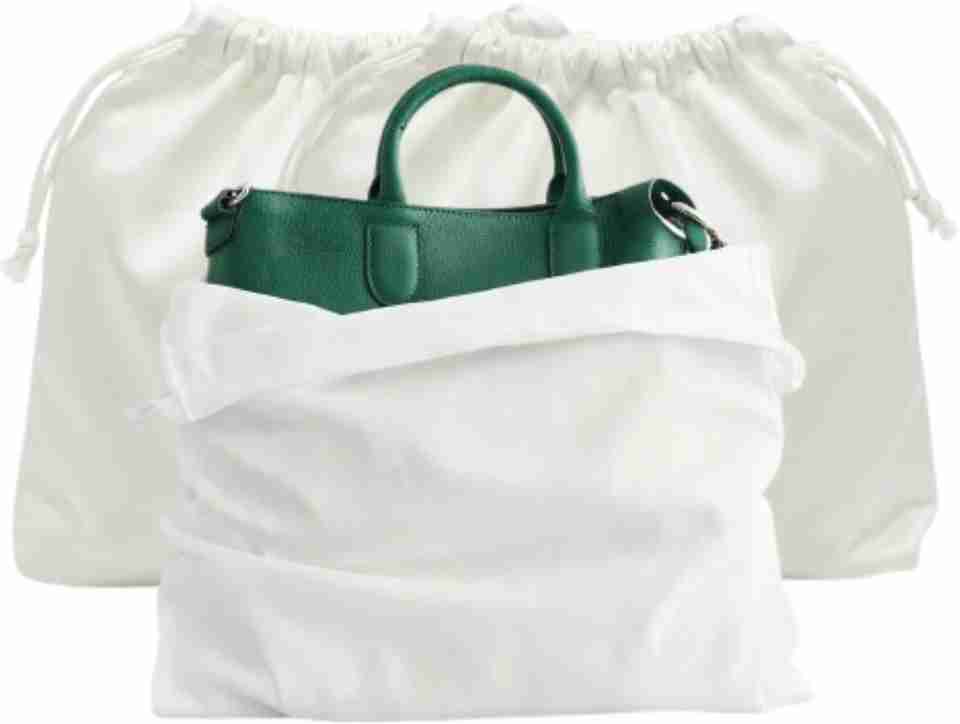
The way you store a Ferragamo bag in between wears is nearly as important as your cleaning routine. Structured bags need internal support to stop the bottom and sides from collapsing or creasing over time, so stuffing the interior with acid-free tissue paper or a dedicated bag pillow prior to storing it preserves silhouette far better than leaving it empty. That dust bag from your purchase serves more than a packaging role — it protects against dust gathering and superficial scratches from other pieces sharing shelf or closet space.
Humidity and temperature swings are understated dangers for leather goods. Keeping a bag in a humid basement or a sweltering attic accelerates drying, cracking, or mold growth on both the leather and the interior lining, so storing it in a climate-stable space is the wiser choice. Direct sunlight causes fading and uneven discoloration, particularly on lighter-colored leathers, so position bags away from windows and strong light whether displayed or kept in storage.
Hanging a heavy bag by its handles for extended periods can pull out of shape the handle shape, so laying it flat or storing upright with proper internal support is generally the better call for pieces with fine handle stitching. For those with multiple bags, switching between pieces rather than relying on a single favorite also allows each piece time to rest between uses, which matters more for structural integrity than most people realize.
Handling Rain, Spills, and Everyday Accidents
Even the most careful owner will sooner or later get caught in rain with a Ferragamo bag in hand, since weather is hard to forecast. A small amount of dampness on smooth or saffiano leather can usually be patted immediately with a dry cloth and allowed to dry on its own, away from direct heat sources like radiators or hairdryers, as these can cause the leather to stiffen or crack. Suede, by contrast, reacts far more poorly to moisture and ought to be pretreated using a protective spray ahead of wearing it out in changeable weather, because avoiding the problem beats trying to correct it afterward.
Drink, food, or makeup spills occur more frequently than most people care to acknowledge, and being fast outweighs being forceful when addressing them. The moment liquid spills, blot it — rubbing should be avoided with a clean, absorbent cloth, moving inward from the stain’s edges to avoid letting it spread across the leather or lining. Ink stains are particularly stubborn and often require professional intervention rather than home remedies, since applying alcohol-based cleaners the wrong way can permanently stain the leather.
For color transfer from denim or dark clothing, a common complaint with lighter-colored bags, a mild leather cleaner used right away often solves the problem before it settles in for good. Waiting even a few days can turn a simple wipe-down into a stain that needs expert attention. If uncertain, assume any incident needs prompt handling rather than something to deal with later.
How Care Needs Differ Among Popular Ferragamo Bag Styles
Not every Ferragamo bag demands identical upkeep, and being aware of the variations helps determine where to focus your maintenance effort. What follows summarizes broad upkeep guidelines across common style categories found at any Ferragamo shop or when browsing Ferragamo bags overview pages online.
| Bag Style | Main Material | Main Care Focus | Suggested Storage |
|---|---|---|---|
| Structured top-handle | Smooth calf leather | Conditioning to prevent cracking at handles | Stored upright with internal support, covered by its dust bag |
| Everyday tote | Saffiano-textured leather | Gentle wiping for moisture, checking base corners | Kept lying flat and never overpacked |
| Slouchy shoulder bag | Soft leather or suede | Regular brushing and prompt stain blotting | Stuffed with tissue, away from sunlight |
| Mini or crossbody bag | Leather paired with metal hardware | Keeping hardware polished and rotating strap use | Kept in a dust bag within a drawer, avoiding stacking |
This overview serves as a general guide, not a complete set of rules, since specific items within each grouping can vary based on the finish applied and the year it was made. Still, it shows why no single maintenance routine easily fits across an entire collection of Ferragamo bags, and why consulting your bag’s own care card is wiser than relying on generic online tips.
Selecting and Caring for Among the Top Ferragamo Bags
At checkout, resilience and simple care generally rival aesthics for buyers hunting for top Ferragamo bags or top Ferragamo bags to invest in, even if design still comes first. Structured silhouettes in saffiano or smooth leather are usually more easygoing for everyday wear and travel, simply because it conceals minor wear more effectively than suede or pale-colored pieces. If you’re deciding between a few options at a Ferragamo shop, inquire about material upkeep expectations before buying — store staff are usually well-versed in this and can offer honest guidance.
Looking across the best Salvatore Ferragamo bags, the ones that age most gracefully tend to exhibit similar qualities: well-made leather that takes well to conditioning, hardware finishes that resist tarnish, and build that keeps its form without excessive internal stuffing. Such traits don’t prevent wear entirely, but they signal that a bag will withstand small care mistakes more readily than a delicate suede piece would.
In the end, the “best” bag is the one whose maintenance demands suit your everyday routine. A regular traveler is better suited to a structured calfskin or saffiano piece than a pale suede bag that shows every water spot. Matching material to use case before purchase is, in many ways, the first and most important step in long-term bag care — long before you ever pick up a cleaning cloth.